日本の七草粥(Nanakusa-gayu “Seven-Herb Rice Porridge”)
七草粥
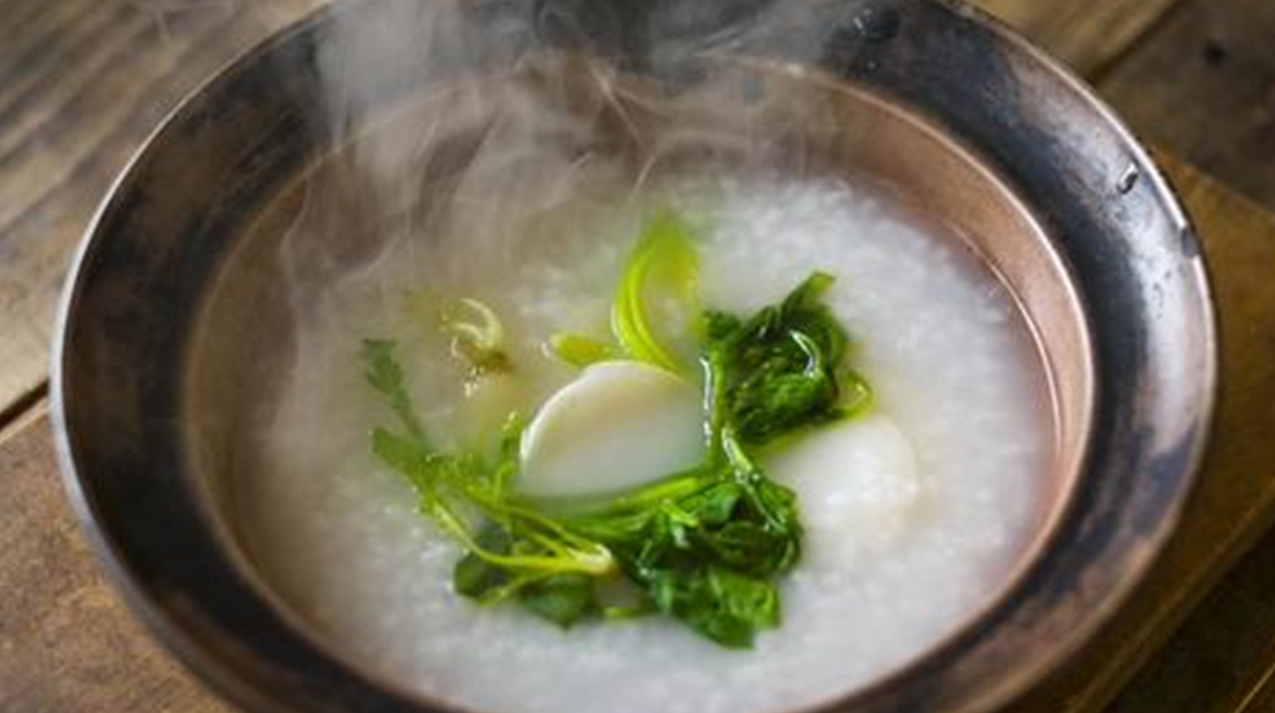
七草粥とは、松の内の最後の日である1月7日に、無病息災や立身出世を願って食べるお粥のことです。
Nanakusa-gayu is a traditional rice porridge eaten on January 7th, the final day of the New Year holiday period, to wish for good health and success in the coming year.
七草 (Seven Herbs): Seri, Nazuna, Gogyo, Suzuna, Suzushiro, Hotokenoza, Hakobera
七草粥の「七草」は、芹、薺、御形、菘、蘿蔔、仏の座、繁縷の七種類です。
The seven herbs in nanakusa-gayu are Seri, Nazuna, Gogyo, Suzuna, Suzushiro, Hotokenoza, and Hakobera.
.png)
●芹:水辺の山菜で香りがよく、食欲が増進します。
.png)
Seri(Japanese parsley): A waterside wild vegetable with a pleasant fragrance that stimulates the appetite.
●薺:別称はペンペン草。江戸時代はポピュラーな食材でした。
.png)
Nazuna (Shepherd’s purse): Also known in Japan as “Penpengusa.” It was a common ingredient during the Edo period.
●御形:別称は母子草。風邪予防や解熱に効果があります。
.png)
Gogyo (Cudweed): Also known as “Mother-and-child grass.” It is traditionally believed to help prevent colds and reduce fever.
●菘:蕪のことです。ビタミンが豊富です。
.png)
Suzuna (Turnip): A vegetable rich in vitamins.
●蘿蔔:大根のことです。消化を助け、風邪の予防にもなります。
.png)
Suzushiro (Daikon radish): It aids digestion and is believed to help prevent colds.
●仏の座:別称は田平子。タンポポに似ていて食物繊維が豊富です。
.png)
Hotokenoza (Nipplewort): Also known as “Tabirako.” It resembles a dandelion and is rich in dietary fiber.
●繫縷:目に良いビタミンAが豊富で、腹痛の薬にもなります。
.png)
Hakobera (Chickweed): It is rich in vitamin A, which is good for the eyes, and has traditionally been used to help relieve stomach aches.